What Every Adventurer Should Carry & Why It Matters
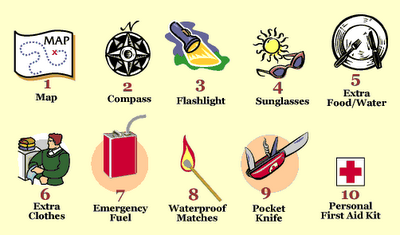
1. Navigation (map, compass, or GPS)
Even well-marked trails can get confusing. A map and compass (or GPS) help you stay on track and get back safely if you take a wrong turn.
2. Sun Protection (sunscreen, sunglasses, hat)
Exposure adds up fast outdoors. Protecting your skin and eyes helps prevent sunburn, dehydration, and long-term damage.
3. Insulation (extra clothing layers)
Weather can change quickly, especially in higher elevations. Layers keep you warm if temperatures drop or conditions shift unexpectedly.
4. Illumination (headlamp or flashlight)
If your hike takes longer than planned, you’ll need light to safely navigate in the dark—your phone flashlight isn’t always enough.
5. First Aid Supplies
Minor injuries happen. A basic first aid kit helps you treat cuts, blisters, or sprains before they become bigger problems.
6. Fire (matches, lighter, or fire starter)
Fire provides warmth, can signal for help, and is critical in survival situations if you’re stranded.
7. Repair Kit & Tools (multi-tool, knife, duct tape)
Gear breaks – it’s just a fact. Having tools lets you fix equipment, cut materials, or handle unexpected issues on the trail.
8. Nutrition (extra food)
Hiking burns more energy than you think. Extra snacks keep your energy up and provide backup if your trip runs longer.
9. Hydration (water and/or filtration system)
Staying hydrated is essential for endurance and safety. A filter or purification method ensures access to safe water if you run out.
10. Emergency Shelter (tent, bivy, or space blanket)
If you’re stuck overnight, shelter protects you from the elements and helps retain body heat.