
From its founding in 1860 through the end of World War II, Copperopolis was deeply shaped by the discovery and production of copper ore. The first copper strikes were made by Hiram Hughes at Gopher Ridge on Quail Hill, and soon after at the Napoleon Mine on Hog Hill. Additional discoveries followed in the Copper Cañon Mining District, including the Union Copper Claim and the Keystone Claim, as well as other important sites like the Calaveras and Empire claims. By 1861, the town that grew around these strikes adopted the name Copperopolis, combining “copper” with the Greek word “polis,” meaning city.
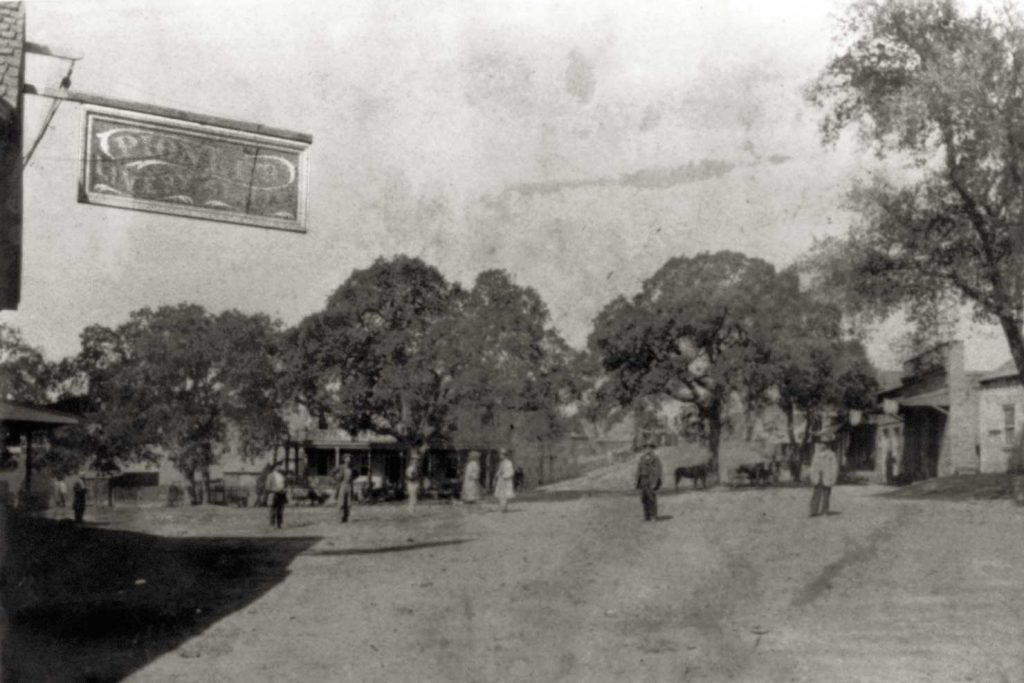
The boom came during the Civil War, when copper was in high demand for munitions and shell casings, making Copperopolis the second-most important copper district in the United States. The town thrived with over 28 businesses by 1861, expanding to more than 90 by the mid-1860s, at a time when many Gold Rush mines were dormant. Streets and establishments reflected the town’s Union sympathies, with names like Union Street, Union Hotel, and Union Mine. Although a devastating fire in 1867 and falling copper prices slowed growth, Copperopolis experienced several additional mining booms into the early 20th century, with modernized smelters and improved transportation bringing ore to Stockton, San Francisco, and even international ports.
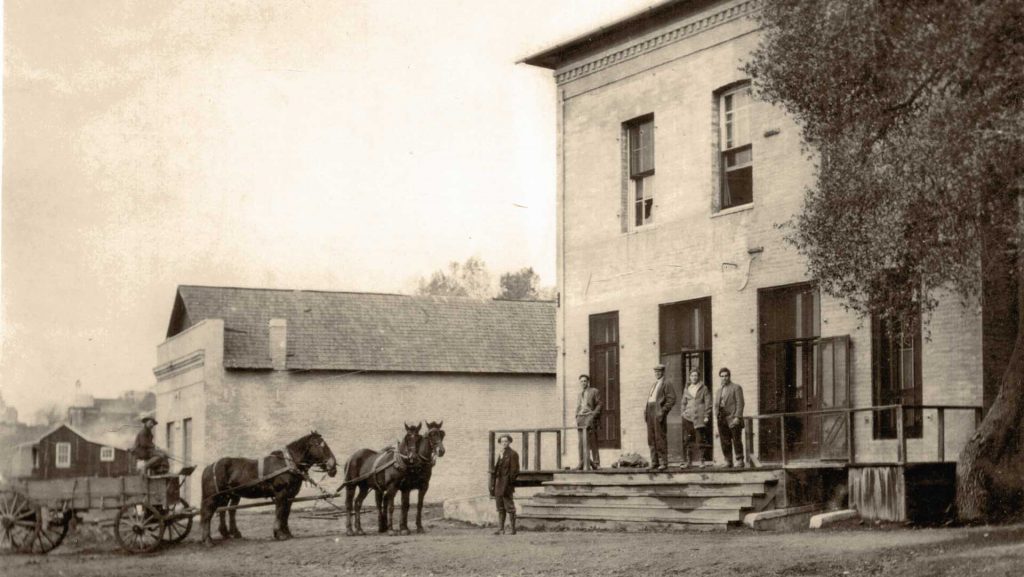
Mining continued on and off through the 1930s and briefly during World War II, with the Keystone Mine operating until 1945. Today, visitors can still see remnants of Copperopolis’ rich past in rust-colored slag piles, old mine depressions, and historic buildings like Ira’s Old Corner Saloon and Calaveras Olive Oil. The Old Church in Copperopolis, built in 1866 by the Congregational Society using clay bricks, some salvaged from burned or demolished buildings, was later purchased by the Mineral Lodge of the Odd Fellows in 1903 and donated to the Copperopolis Community Center in 1939, which has cared for it for over 60 years. This Gothic Revival building, notable for its historic windows, steeple, and functioning bell, was preserved through the efforts of Charlie and Rhoda Stone and is listed on both the National Register of Historic Places and the California Register of Historical Resources. The Copperopolis Armory, built in 1863 for Union soldiers of the 3rd California Infantry, later became a community hub for church services, dances, rallies, and public events before being purchased by the Copperopolis Community Center in 1948. Preserved in its original Classical Revival style with iron doors, brickwork from Columbia, and refinished historic floors, the Armory was added to both the National Register of Historic Places and the California Register of Historical Resources in 1997 thanks to the dedicated efforts of Charlie and Rhoda Stone.
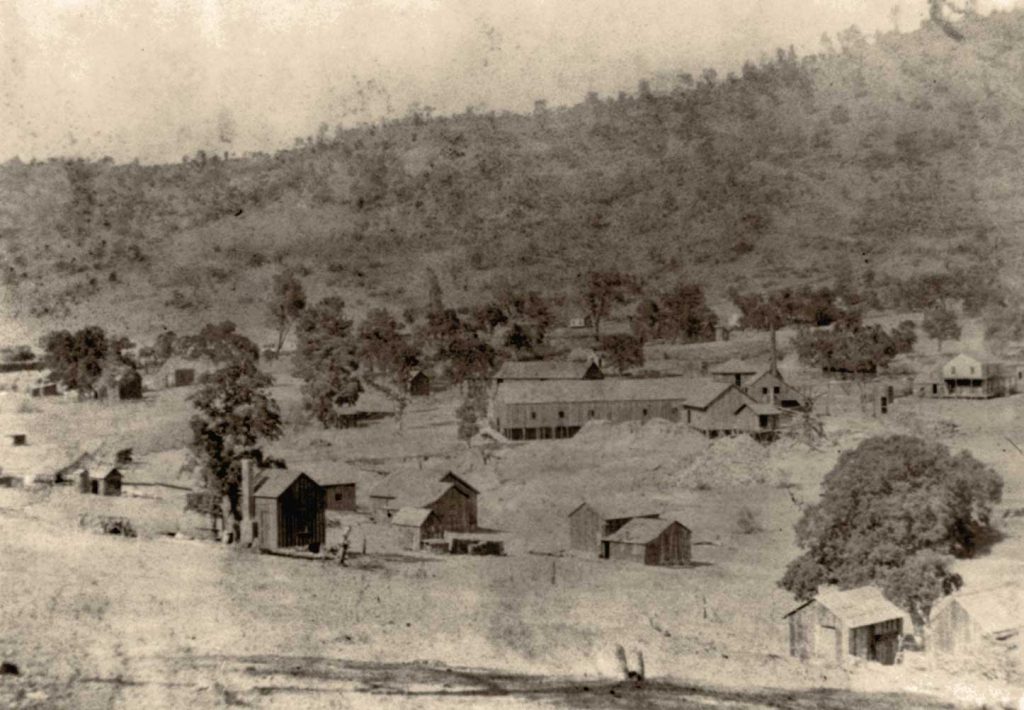
While the headframes and mills are gone, the town remains a vibrant reminder of California’s Gold Country and copper mining heritage, offering a fascinating glimpse into the era that shaped this scenic Sierra foothills community.


