
Planning a winter getaway to Calaveras County? Whether you’re heading up to Bear Valley for snow play or exploring charming towns like Arnold, Murphys, or Copperopolis, winter roads can change quickly in the Sierra Nevada foothills. Follow these essential winter driving tips to stay safe and make the most of your trip:
Know Before You Go
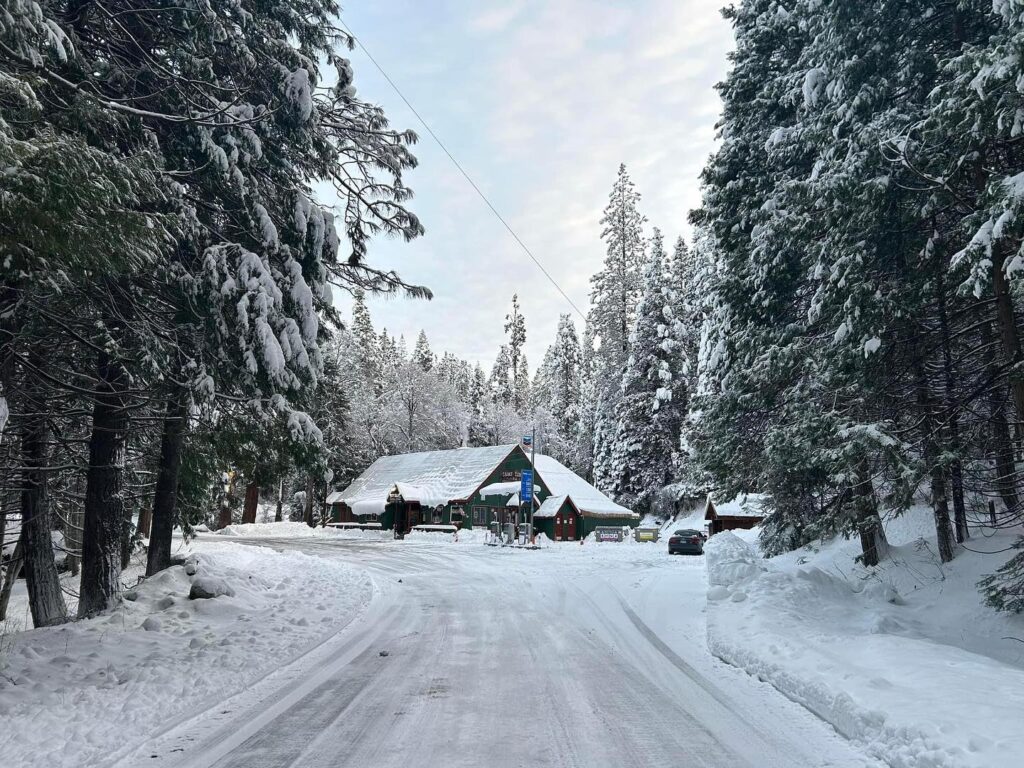
- Check road conditions: Before hitting the road, check up-to-the-minute road closures, chain requirements, and weather alerts at Caltrans Road Conditions for Highway 4
- Pack an emergency kit: Include blankets, water, snacks, a flashlight, jumper cables, a first-aid kit, and a fully charged phone.
- Prepare Vehicle: Ensure tires have good tread; consider winter tires. Pack chains if required (and practice putting them on).
- Pack Essentials: Carry blankets, food, water, a first-aid kit, flashlight, shovel, and sand or kitty litter for traction.
- Full Tank: Keep your gas tank full in case of delays or route changes and to ensure you have plenty of fuel if travel slows.
On the Road

- Carry chains: Even if your vehicle has 4WD or snow tires, chain controls can still be required on many mountain roads in winter. Know how to install them before you need them.
- Drive slowly: Snow and ice reduce traction. SLOW DOWN, leave extra space between cars, and brake gently to avoid skids.
- Use headlights: Cloudy skies, falling snow, and shaded canyons all reduce visibility, and headlights help you see and be seen.
- Watch for changing conditions: Road surfaces can vary quickly, especially on shaded curves and over passes like Highway 4.
If You Get Stuck
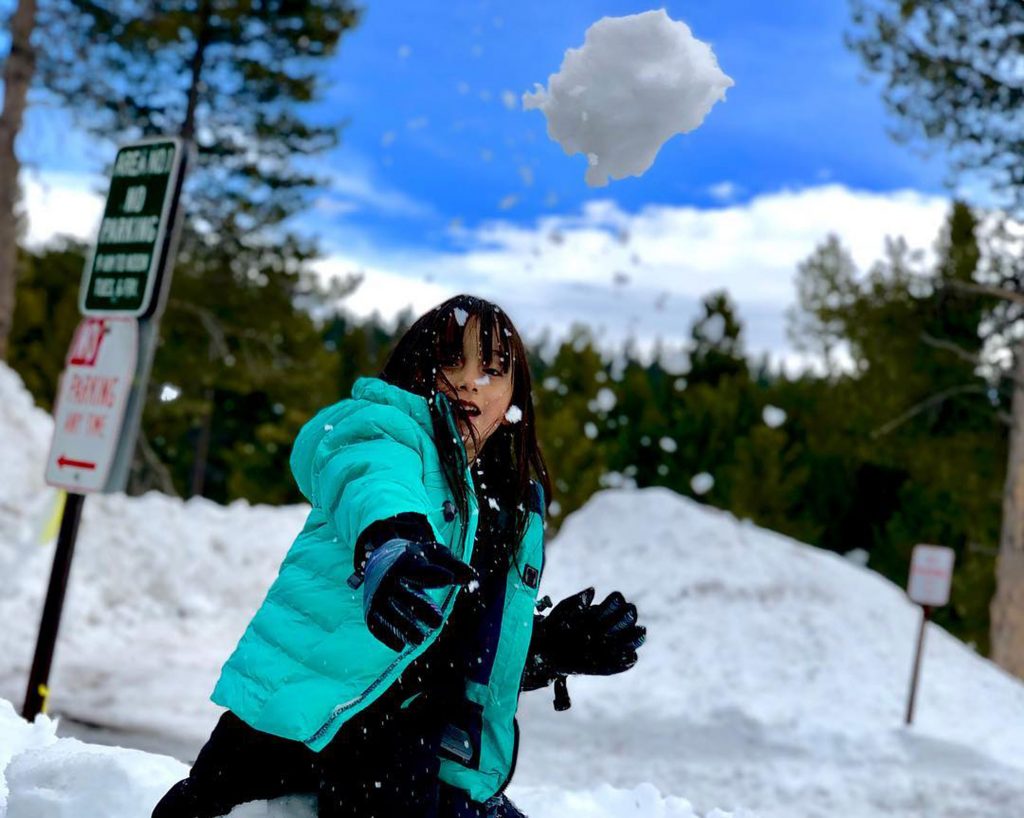
- Stay with your vehicle: It’s easier for rescuers to find you if you stay near your car with hazard lights on.
- Conserve battery and fuel: Run the engine only for short periods to stay warm, clear snow from the exhaust pipe before starting to avoid carbon monoxide buildup.
What Locals Want You to Know About Parking in the Snow
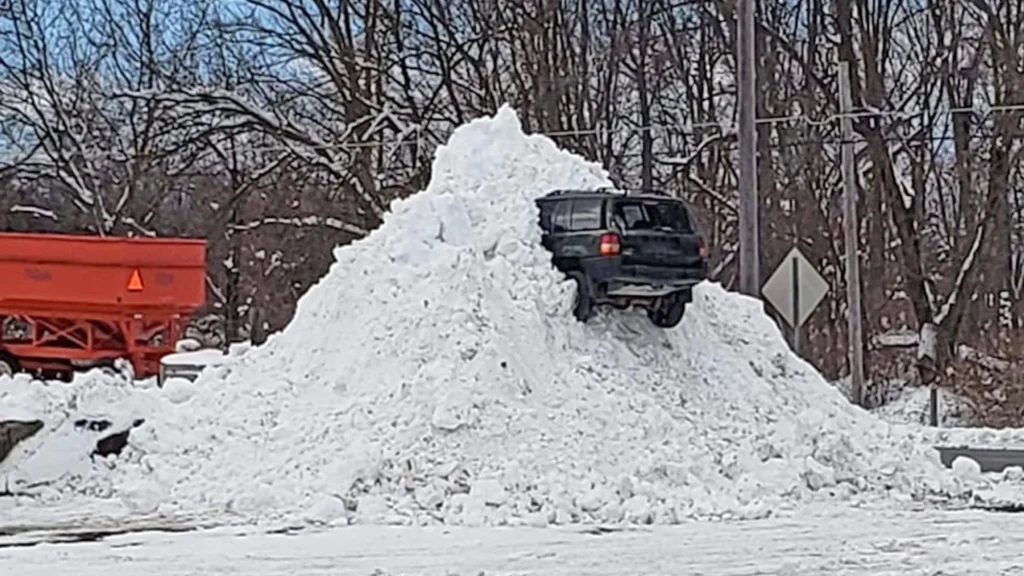
- Don’t block plows or driveways. Snowplows need full road access, and blocked driveways can trap residents who need to get to work, school, or emergencies.
- Avoid parking on narrow mountain roads. Many residential streets are only wide enough for one vehicle once snow piles up—parked cars can prevent emergency vehicles from getting through.
- Snow berms aren’t “free parking.” Those snowbanks at the end of driveways are placed by plows; parking there makes snow removal harder and can get your car buried or damaged.
- Respect “No Parking” and snow emergency signs. They’re enforced for safety, not convenience—and tickets or towing can happen quickly during storms.
- Private property is not public parking. Unplowed driveways, vacant lots, and roadside pullouts near homes are often private and needed for residents.
- Plan ahead for snow play. Use designated Sno-Parks, resort parking areas, or official snow-play locations rather than pulling off into neighborhoods.
- Think about locals living their daily lives. Many residents live here year-round and need access for deliveries, trash pickup, medical care, and work especially during storms.
Winter in Calaveras County is beautiful, but winter driving requires preparation. With the right planning and some extra caution, you’ll stay safe and enjoy all the magic this region has to offer. Safe travels!


